What Are Tor Links and Why Search for Them
Tor links are .onion addresses that route traffic through the Tor network, providing anonymity for both the user and the service operator. These addresses exist only within the Tor network and cannot be accessed through standard browsers. People search for tor links to access hidden services, privacy-focused communication platforms, uncensored information repositories, or whistleblowing platforms. The .onion domain structure ensures that the server's physical location remains hidden, and the address itself is derived from the service's cryptographic keys. Understanding what you're searching for—whether it's a marketplace, forum, news site, or communication tool—determines which search method is most appropriate and safe.
How Tor Search Engines Index Onion Addresses
Tor search engines crawl .onion sites similarly to how surface web search engines work, but they operate exclusively within the Tor network. These search engines maintain indexes of onion addresses by following links from known sites and discovering new services through submissions. The indexing process is slower than surface web search because Tor routing adds latency, and many onion services deliberately avoid indexing to maintain privacy. Search engines like Torch, Ahmia, and Tordex use different crawling strategies and update frequencies. Some focus on comprehensive indexing while others prioritize security and accuracy. The search results depend on the engine's crawl depth, how recently it indexed a site, and whether the site's operators submitted it for inclusion. No single Tor search engine indexes all onion services, so using multiple sources increases the chance of finding what you need.
Searching for Tor Links on Reddit and Community Forums
Reddit communities dedicated to Tor, privacy, and darknet topics frequently discuss and share onion links. Users post recommendations, warnings about scams, and verification information in subreddits focused on anonymity and technology. These communities provide context that search engines cannot—users discuss whether a site is legitimate, if it's been compromised, or if it's a known phishing clone. However, Reddit discussions also contain misinformation, outdated links, and deliberate disinformation. When using Reddit as a source, cross-reference any link with multiple other sources before visiting. Look for posts with high engagement and recent timestamps, and check the poster's history for credibility. Community forums outside Reddit, including those accessible only via Tor, also share link recommendations. The advantage of community sources is real-time feedback about site status and security incidents. The disadvantage is that anyone can post, so verification remains essential.
Verifying Onion Addresses and Detecting Phishing Clones
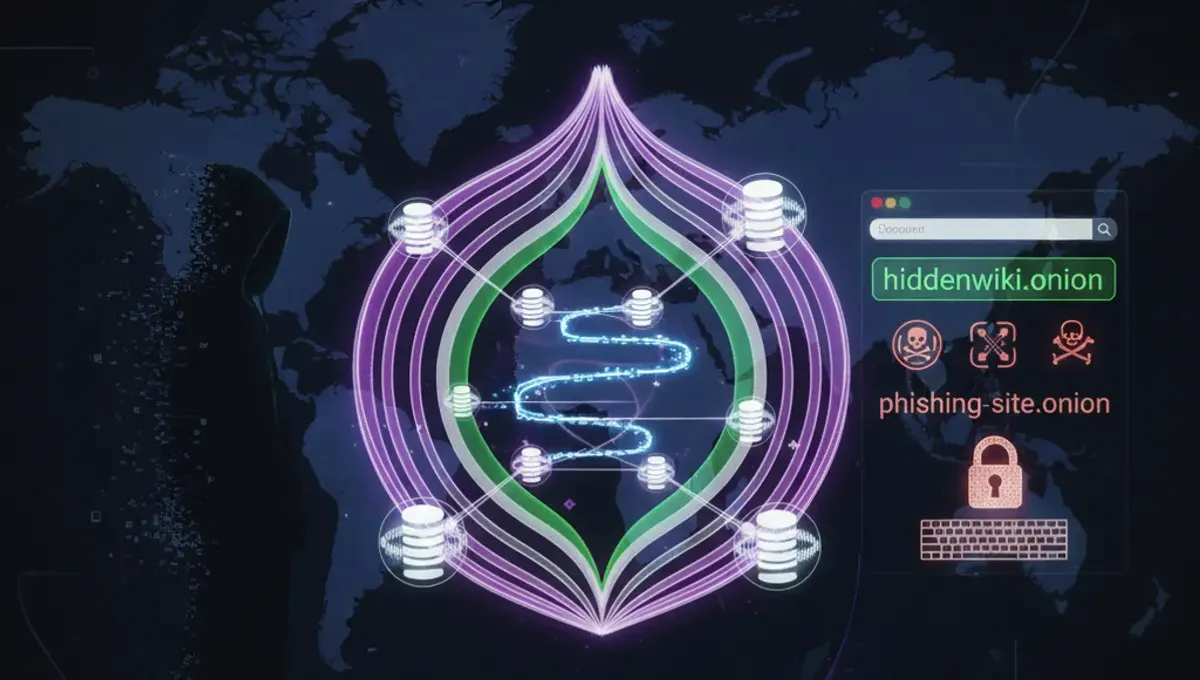
Phishing clones are fake .onion sites designed to mimic legitimate services and steal credentials or funds. Verification requires checking multiple factors: the address format, PGP signatures, official announcements, and the site's security indicators. Legitimate onion services publish their addresses on multiple platforms and sign announcements with PGP keys. V3 onion addresses (56 characters) are more secure than v2 addresses (16 characters) because they use stronger cryptography. To verify an address, obtain it from at least two independent sources—never rely on a single link. Check if the service publishes a PGP public key and whether recent announcements are signed with that key. Look for HTTPS certificates on onion sites, though note that self-signed certificates are common. Compare the address character-by-character with official sources; phishing clones often use similar characters or slight variations. If a site requests unusual information, displays poor design, or behaves differently than expected, assume it's a clone and stop using it immediately.
Using Tor Link Directories and Maintained Lists
Maintained directories like this one categorize onion links by function and check availability regularly. These directories reduce the need to search multiple sources by organizing links into categories such as communication, information, marketplaces, and forums. A maintained directory's value depends on how frequently it updates links and how thoroughly it verifies addresses. Directories typically remove dead links, flag suspicious sites, and note when services have moved to new addresses. When using a directory, check the last update date to ensure information is current. Some directories include user reviews or community feedback, which provides additional context about site legitimacy. However, even maintained directories can include outdated information or miss newly launched services. Use directories as a starting point, then verify any address independently before trusting it with sensitive information. The best practice combines directory browsing with community discussion and PGP signature verification.
Common Mistakes When Searching for and Accessing Tor Links
Clicking links from untrusted sources is the primary mistake—users often follow links from chat messages, emails, or random forum posts without verification. This exposes them to phishing clones and malicious sites. Another mistake is using the same username or email across multiple onion services, which can compromise anonymity if one service is compromised. Accessing onion links without updating the Tor browser leaves you vulnerable to known exploits. Users also mistake slow loading times or unusual behavior as normal Tor network delays, when these may indicate a phishing clone or compromised site. Sharing onion links in unencrypted channels can expose your browsing habits to network observers. Failing to check PGP signatures on important announcements means you might follow a fake address posted by an attacker. Accessing onion sites while running other applications that leak your real IP address defeats the purpose of using Tor. Always verify links independently, keep your Tor browser updated, use separate usernames per service, and assume any unexpected behavior indicates a problem.
Tor Links Search vs. VPN and I2P Alternatives
Tor provides stronger anonymity than VPN services because traffic is routed through multiple independent nodes, making it difficult to correlate entry and exit traffic. VPNs route all traffic through a single provider, which creates a single point of failure if the provider is compromised or cooperates with authorities. I2P is another anonymity network that uses different routing principles and is optimized for internal network communication rather than accessing external content. Tor's .onion services are designed specifically for hidden services, while I2P's equivalent services are less mature. VPN services are faster than Tor but offer weaker anonymity guarantees. When searching for tor links, you're specifically looking for services designed to operate within Tor's architecture. These services benefit from Tor's anonymity properties in ways that VPN-accessed sites cannot. I2P users searching for links would use I2P-specific directories and search engines. The choice depends on your threat model and whether you need the specific anonymity properties that Tor provides.
Frequently asked questions
Can I search for tor links using a regular search engine?
No. Regular search engines like Google cannot index .onion addresses because they exist only within the Tor network. You must use a Tor search engine accessible through the Tor browser, or obtain links from directories and community sources. Attempting to access a .onion address through a regular browser will fail.
How do I know if a tor link is legitimate or a phishing clone?
Verify the address from multiple independent sources, check for PGP signatures on official announcements, and compare the address character-by-character with known good sources. Legitimate services publish their addresses consistently across multiple platforms. If a site requests unusual information or behaves unexpectedly, assume it's a clone and stop using it immediately.
Is it illegal to search for tor links?
Searching for tor links is legal. The Tor network and onion services have legitimate uses including privacy protection, uncensored communication, and whistleblowing. However, some onion services facilitate illegal activities. Accessing or using illegal services is illegal regardless of whether you found the link through search or other means.
What's the difference between v2 and v3 onion addresses?
V3 addresses are 56 characters long and use stronger cryptography than v2 addresses, which are 16 characters. V3 addresses provide better security against certain attacks and are now the standard for new onion services. V2 addresses are deprecated and should be considered less secure. Always prefer v3 addresses when available.
Should I use a VPN with Tor when searching for links?
Using a VPN with Tor is generally not recommended because it adds complexity without improving anonymity and can actually reduce it if the VPN provider is compromised. Tor alone provides strong anonymity. If you use a VPN, connect to it before opening Tor, not after, to avoid leaking your real IP address.